Product Description
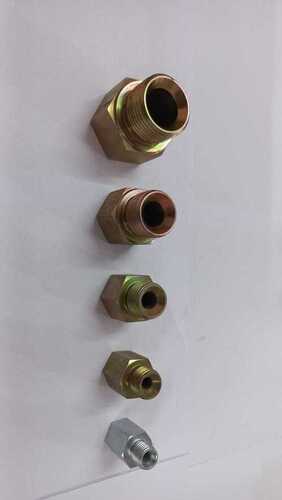
Hydraulic Round CouplingA Hydraulic Round Coupling is a device that is used to connect two hydraulic lines together. It is used to join two hydraulic components together, such as a hose or tubing, in order to allow them to communicate with each other. The coupling is typically made of metal, such as steel or aluminum, and is designed to provide a secure connection that will prevent leakage or other damage to the components. Hydraulic round couplings are commonly found in industrial, automotive, and marine applications.
| Usage/Application | Hydraulic Pipe |
| Size | 1/4" to 2 " |
| Brand | Ratan |
| Application | Hydraulic Pipe |
| Material | Mild Steel |
| Thread Type | BSP,UNF,ORFS,JIC,METRIC |
| Surface Treatment | ZINC PLATED |
| Usage | Commercial Industry |
Hydraulic Fittings or Hydraulic Hose end fittings used/ Hydraulic Couplings Used for Hydraulic Hoses to connect hose in different as per Hose assembles to be made. Some Hydraulic Connectors help to connect hoses with different pumps, valves of hydraulic etc... Available standard as - BSPP
- UNF/JIC
- ORFS
- METRIC
- CODE 61 & 62 FLANGES
Robust Construction and Flexible CompatibilityOur round couplings are engineered to withstand demanding environments, thanks to premium materials and sturdy designs. Available in a variety of sizes and with multiple connection methods (BSP, NPT, Metric), they can be seamlessly integrated into new or existing hydraulic and pneumatic systems, ensuring compatibility with most industry standards and codes.
Versatile Application and High PerformanceWith features such as corrosion resistance, precision threading, and advanced sealing, these couplings are ideal for hydraulic and pneumatic pipe connections, as well as diverse industrial uses. Their high flow rate and minimal pressure drop boost efficiency while robust sealing technology safeguards against leaks, supporting reliable, long-term service.
FAQ's of Round Coupling:
Q: How do I select the right round coupling size and standard for my application?
A: To choose the correct round coupling, consider the pipe's diameter (ranging from 1/4" to 6" or DN6 to DN150), the required standard or code (DIN, BSP, ISO, ASTM), and your system's operating pressure and temperature. Refer to your application's specifications and consult with the manufacturer if needed for guidance on selecting suitable materials and connection types.
Q: What surface finishes are available, and how do they benefit the coupling?
A: Our round couplings are offered in zinc plated, polished, or painted finishes. These treatments enhance corrosion resistance, ensuring the coupling maintains its integrity and appearance even in harsh industrial environments, thus extending the product's service life and reducing maintenance frequency.
Q: When should I use threaded versus welded mounting for these couplings?
A: Choose threaded mounting for ease of installation and future disassembly, particularly in systems requiring regular maintenance. Welded mounting is more suitable for permanent, high-pressure applications where maximum integrity and leak resistance are paramount.
Q: Where are these round couplings typically used?
A: These couplings are widely applied in hydraulic and pneumatic pipe connections, general industrial installations, and systems that require reliable, leak-proof connections-their versatility makes them suitable across manufacturing, process industries, and heavy machinery sectors.
Q: What is the process for installing and maintaining a round coupling?
A: Installation involves selecting the proper size and thread type, ensuring O-rings (Nitrile or Viton) are correctly seated, and tightening the connection using manual, hydraulic, or pneumatic tools as applicable. Regular maintenance entails periodic inspection and replacement of sealing elements or accessories like dust caps and gaskets as needed.
Q: What are the primary benefits of using these round couplings in industrial applications?
A: Key advantages include robust construction, corrosion-resistant surfaces, reliable leak-proof sealing, compatibility with major industry standards, and a broad temperature and pressure range. These features all contribute to long service life, operational efficiency, and low pressure loss.


 +919924635541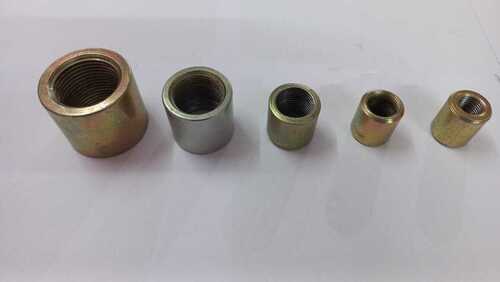




 Send Inquiry